Hybrid and electric yachts 2026: Sustainability is operations, not marketing
How are battery-assisted anchoring, zero-emission low-speed cruising, and Mediterranean regulations reshaping yacht purchase decisions? We summarise 2026's most critical technical shift.

By Nur Coşkun
Editor
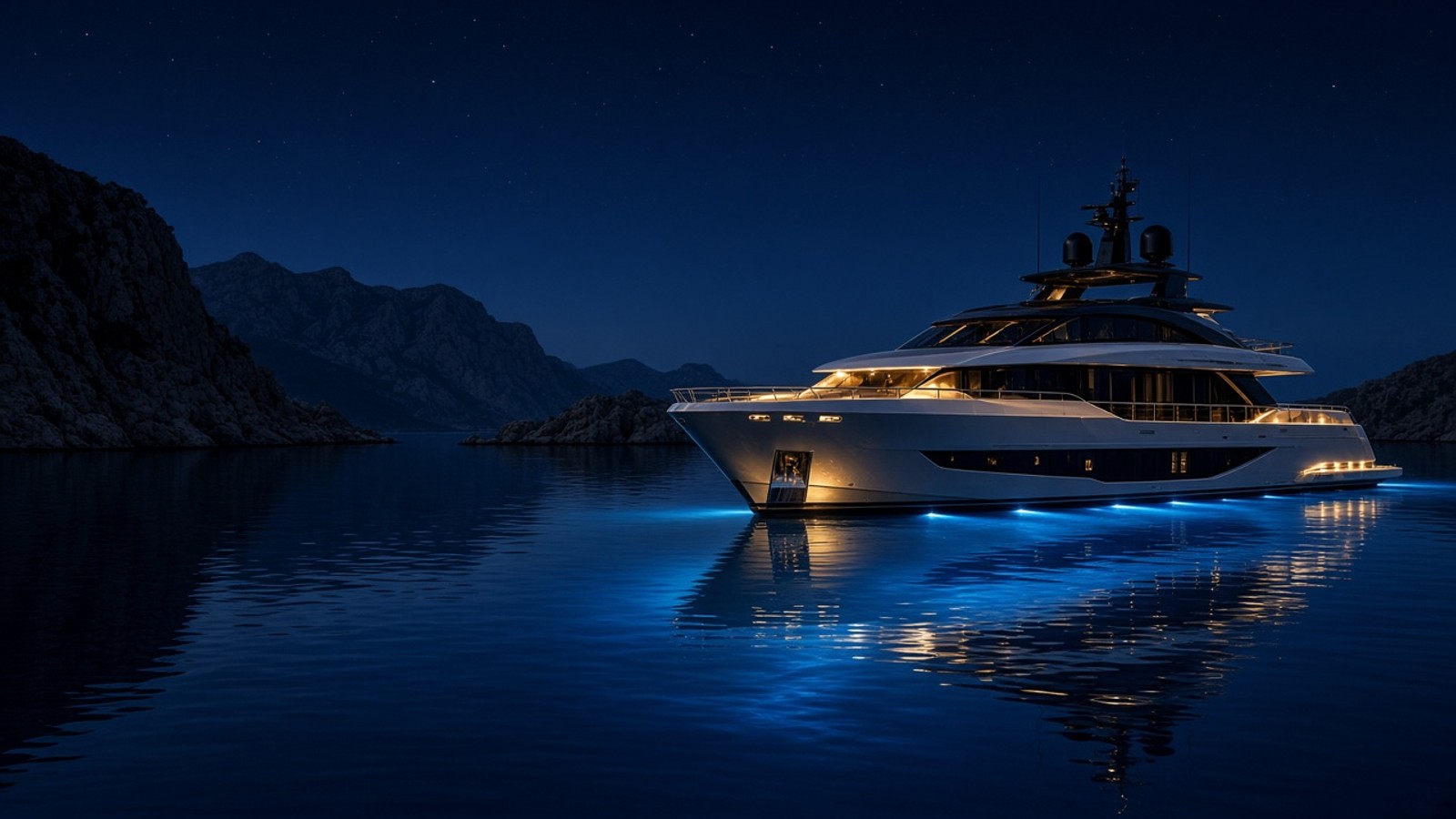
For years, "sustainable yachting" was a showroom headline. In 2026 the picture changed: hybrid diesel-electric systems, series-built electric models, and shipyard-level hybrid superyacht projects have moved into the field. For buyers the question is no longer "does it look green?" but "can I anchor without running generators, and cruise quietly in sensitive coves?"
Why now?
Two forces are applying pressure at once. First, regulation: IMO greenhouse-gas targets for 2030–2050 and emissions rules in Europe's sensitive sea areas are shaping anchoring and low-speed regimes, especially in the Mediterranean. Second, user experience: quiet nights, vibration-free living, lower operating cost, and brand reputation.
In the production segment (roughly 40–58 ft), fully electric or strong hybrid configurations have begun to be delivered. On the superyacht side, aluminium hybrid series, series-hybrid propulsion, and extended electric-range claims are becoming concrete in projects along the Monaco–Istanbul axis.
What does a hybrid system actually deliver?
A well-designed hybrid platform typically promises: - Battery-powered cruising at low speed (e.g. the 8–10 knot band) - Generator-free "hotel load" periods at anchor (HVAC, galley, AV) - Less vibration / noise, especially for overnight use - Lower carbon and fuel use under the right operating profile
Important caveat: Not every "hybrid" label is equal. Without jointly assessing diesel-electric architecture, battery capacity, charging strategy, and port infrastructure, a "eco-friendly" claim can tip into greenwashing. Buyers should request in writing the battery bank in kWh, electric cruising range, and generator-free anchoring duration.
A strong signal from Türkiye: large hybrid platforms
Turkish yards have gained visibility in this shift not only as assemblers but as engineering producers. Projects in the 76-metre class offering integrated hybrid propulsion, high-capacity lithium battery banks, and electric cruising capability show that hybrid is now a core architectural decision, not an options-list add-on. That expands Türkiye's competitive strength in the large-yacht league along the sustainability axis as well.
Mediterranean operations checklist
When evaluating a new order or a brokerage yacht, ask: 1) How many hours of battery-only anchoring are targeted? 2) Are electric speed/range figures based on real sea trials? 3) What are the charging scenarios (shore power / generator / renewable support)? 4) What are local emissions expectations in the target cruising area (e.g. protected coves)? 5) Does the refit and service network support hybrid components?
How to use this on YACHTCI
If you are searching with a hybrid or low-emission focus, narrow by country and category in brand filters; on builder pages, compare technical focus, model language, and current listings. On brands that claim electric/hybrid capability, reading range, cabin, and engine-power data in the copy together helps separate marketing language from technical reality.
Bottom line: In 2026, sustainability has moved from the sales brochure to the bridge watch. Winners will be builders who treat regulation as a design brief, not a threat—and owners who make purchase decisions with operational metrics.
Keep reading
6 October 2026·3 min read
Discover. Compare. Connect. A New Way to Explore Yachting
The world of yachting is extraordinary—but finding the right builder, yacht, or point of contact should not be complicated. YACHTCI brings the journey into one clear, curated experience.
28 September 2026·2 min read
Why is Türkiye rising in the superyacht market? 2025–2026 outlook
According to Türk Loydu data, Türkiye has climbed to second place worldwide in active project count. What do explorer yachts, larger hulls, and 2026 growth expectations mean?